‘Natural’ skincare products; Is there such a thing?
Not really – at least not in the way it’s marketed.
Brands can use the word even if a formula contains:
• Synthetic preservatives
• Lab-modified plant extracts
• Stabilizers and solvents
• Fragrance allergens
So two products can both say natural and be chemically very different.
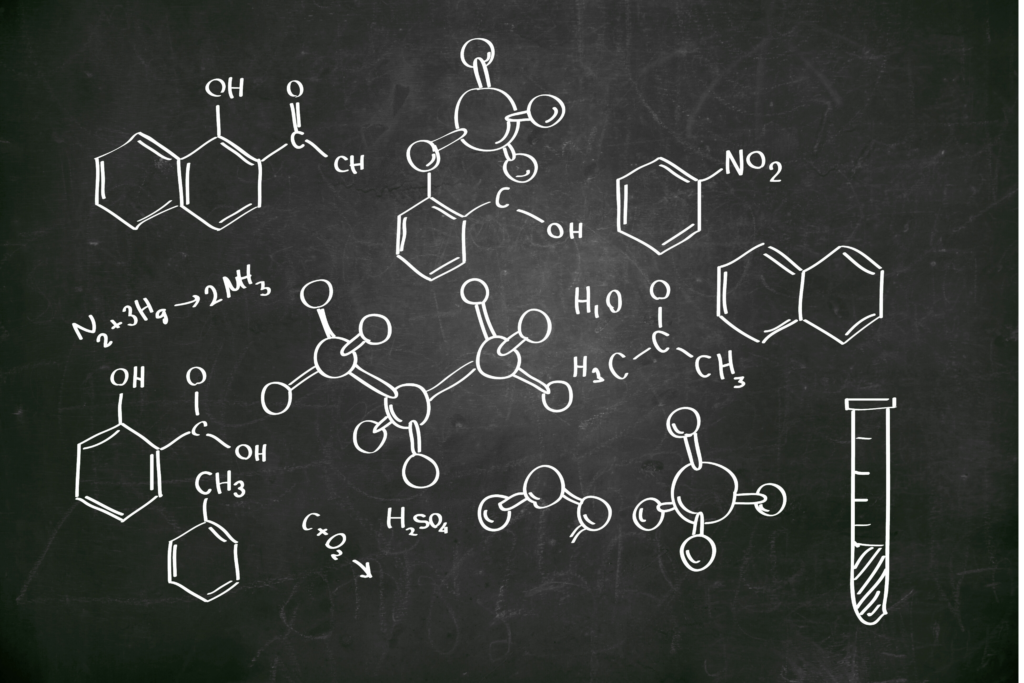
Everything is still chemistry
-
Plants = chemicals
Aloe, chamomile, tea tree, lavender, etc. are made of chemical compounds.
-
Lab-made ≠ bad
Many synthetic ingredients are more stable, more predictable, and less irritating than raw botanicals.
-
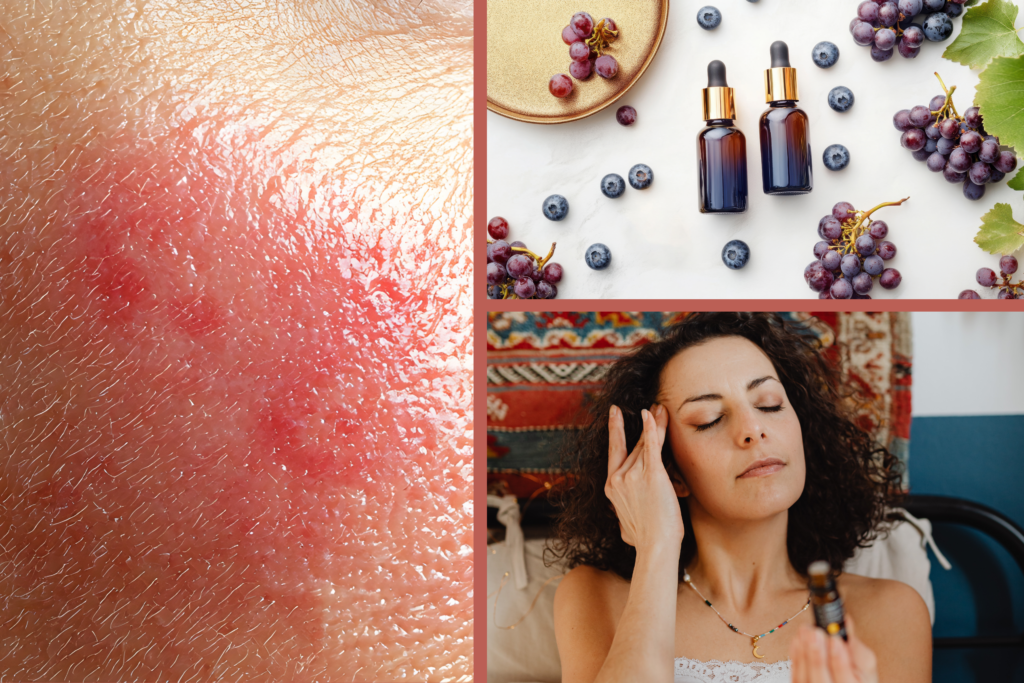
“Natural” ≠ gentle
Poison ivy is natural. So is arsenic.
Some of the most irritating skincare reactions I see clinically come from:
Essential oils
Undiluted botanical extracts
Poorly preserved “clean” formulas
What really matters
Instead of natural vs synthetic, think:
1. Botanical-derived
Ingredients that start in nature but are refined for safety and consistency
(example: glycerin from plants, plant-derived squalane)
2. Bio-identical / lab-optimized
Molecules that match what your skin already makes, but are stabilized
(example: hyaluronic acid, niacinamide, ceramides)
3. Fully synthetic

Man-made ingredients designed for precision and performance
(example: retinoids, peptides, UV filters)
All three can be excellent or terrible depending on formulation.
What actually makes skincare “good” or “clean”
✓ Proper preservation (to prevent bacteria & mold)
✓ Stable pH
✓ Evidence-based actives
✓ Appropriate concentration
✓ Packaging that protects the formula
✓ Compatibility with your skin condition
Not whether it came from a leaf or a lab.
Clean Beauty vs Medical-Grade Skincare
Clean Beauty
What it claims to be
-
“Natural,” “non-toxic,” “free from ___”
-
Plant-forward, minimal ingredients
-
Emotionally appealing + lifestyle driven
What it often actually is
-
Lightly active or under-dosed
-
Preserved just enough to sell
-
More irritation risk from essential oils & botanicals
-
Limited clinical testing
-
Results = subtle, slow, or inconsistent
Best for
-
Very resilient skin
-
Maintenance, not correction
-
People prioritizing philosophy over performance
Medical-Grade / Professional Skincare
What it’s designed to do
-
Treat specific skin conditions (acne, pigment, aging, rosacea)
-
Deliver actives at therapeutic levels
-
Maintain precise pH and stability
-
Penetrate where results actually happen What that requires
-
Lab-engineered ingredients
-
Strong preservation systems
-
Controlled dispensing (often through professionals)
-
Clinical data behind claims
Best for
-
Acne, melasma, aging, texture, inflammation
-
Clients who want visible, measurable change
-
Long-term skin health and correction
Final Truth (that’s not a favorite to hear)

There is no such thing as truly “natural” skincare that can consistently be:
Stable
Effective
Safe
And capable of changing the skin
Everything that works has been modified, preserved, tested, or engineered.
*The real divide isn’t natural vs synthetic
*It’s marketing vs medicine
The honest truth I tell clients
Again, it’s not “natural” or “synthetic.”
The best skincare lives in the middle:
Science-backed, tested, intentional, intelligently formulated, and chosen appropriately for your skin — not the trend. This is exactly why I curate, not just sell, skincare.

Rachel Shoham Hackett
Licensed Medical Esthetician & Licensed Laser Practitioner
Skin Health Educator
Founder, LéhCär Aesthetics | Wellness Sommelier™